Rock Follies

Rock Follies

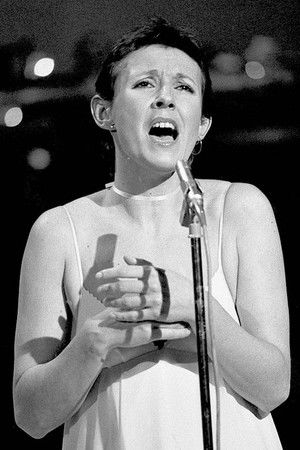
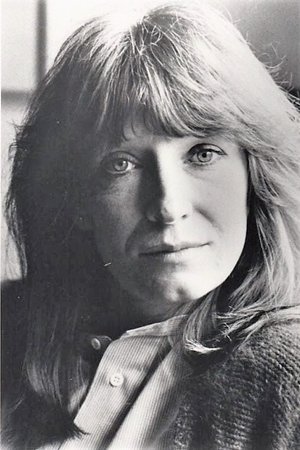
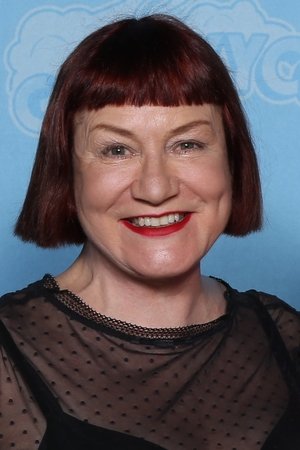
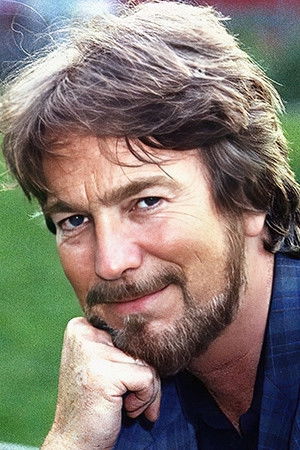
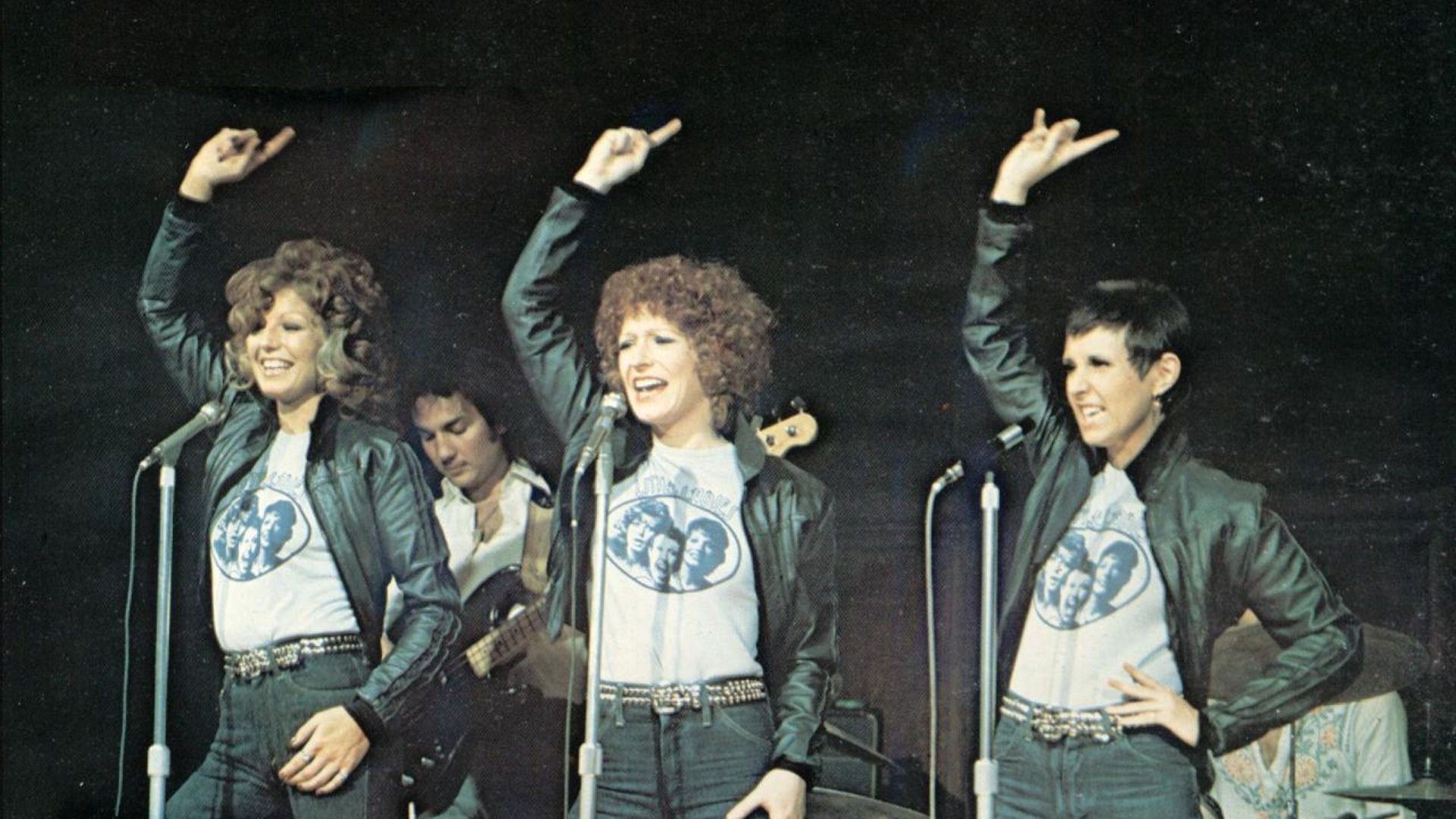
Rock Follies, and its sequel, Rock Follies of '77, was a musical drama shown on British television in the 1970s. The storyline, over 12 episodes and two series, followed the ups and downs of a fictional female rock band called the "Little Ladies" as they struggled for recognition and success. The series starred Rula Lenska, Charlotte Cornwell and Julie Covington as the Little Ladies, with support from Emlyn Price, Beth Porter, Sue Jones-Davies, Stephen Moore and Little Nell among others. The series was made with a very low budget for Thames Television, with a style inspired by fringe theatre. The series was a success, winning three BAFTA Awards and the soundtrack album reaching No.1 in the UK Charts.

Drama

Seasons

1. The Show Business

Air Date: 1976-02-24

A trio of struggling actresses—Q, Dee, and Anna—decide to audition for the West End play Broadway Annie, a nostalgic indulgence of its director. The show flops, despite a last-ditch effort by its producer to update it and make it raunchier. The three women, from different personalities and backgrounds, are drawn together by their shared catastrophe. The show's musical director, Derek Huggin, tells them they should form a rock band, with him as manager and songwriter.

2. The Little Ladies

Air Date: 1976-03-02

The band forms and begin rehearsals. Huggin seeks financial backing from some contacts, but very little is forthcoming. The three main characters' personal lives are explored, and the widespread disapproval they face from their boyfriends (and in Dee's case, her fellow commune members). The name 'The Little Ladies' is meant to be ironic — the image the band tries to project is a feisty, no-nonsense female rock act.

3. The Road

Air Date: 1976-03-09

The Little Ladies tour pubs, clubs and dive bars of provincial Britain. The band is still raw and often fails to live up to its adopted image of no-nonsense rockers. Despite this, the girls realise that playing in front of an audience gives them an incredible buzz, which makes all the travelling and lack of money worthwhile. It's not all plain sailing, as in some venues they receive a very hostile reception. Meanwhile, Anna has a brief affair with Derek; Q meets Nigel, a freelance rock journalist; and Dee has an admirer in the form of Dave, an audience member who becomes a sort of groupie.

4. The Talking Pictures

Air Date: 1976-03-16

After touring comes to an end, little progress has been made. The girls' various affairs create significant fallout with their established partners, and a fair amount of hypocrisy on their partners' parts is exposed. Finances are all but gone, so through a contact of Q's, the girls end up performing in a softcore porn film. In the meantime, Q's partner Carl has gone through a huge transformation from lazy layabout to cutthroat businessman; this is due to his meeting Greek entrepreneur Stavros, who has decided to manufacture his surfboard design. Carl talks the girls into meeting Stavros, who he thinks may be the answer to their financial problems. Anna's boyfriend Jack is discovered in bed with one of Dee's commune girls.

5. The Pounds Sterling

Air Date: 1976-03-23

Stavros agrees to take on the girls, and they sign a contract with him. Almost immediately, he changes their image to 1920s-style cabaret singers, far from their previous rock image. The girls regret the decision, but are unable to break the contract without ruining themselves. When Derek too voices his complaints, he is sidelined; image consultants, choreographers and a new songwriter are drafted. The girls appear as a light cabaret act at Stavros's club, Idols.

6. The Blitz

Air Date: 1976-03-30

Stavros decides that another radical change of image is called for: this time, a pastiche of The Andrews Sisters. The 1920s are out and the 1940s are in. He conceives of a new venue called The Blitz, which almost entirely reproduces the London underground during WWII. The girls dress as WAAF officers to perform. Meanwhile, the commune is crumbling due to a power struggle between Jack and the original leader. In a heated argument, it turns out that despite his supposed socialistic ideals, the founder is merely another capitalist landlord. This revelation seals the fate of the now completely disillusioned commune.

1. The Band Who Wouldn't Die

Air Date: 1977-05-04

The band are on another pub tour, this time without any manager. Harry Moon, a fan and songwriter, becomes the band's new musical driving force—although now the girls are writing many of their own songs too. To make ends meet, they do a musical ad for a range of frozen foods called 'Wonder Woman', whose brand image is that of female liberation—though this comes in the consumerist form of microwave ready meals. Moon knows an established rock star Stevie Streeter, and arranges for the band to meet him with a view to becoming his support act. Streeter's act is described as 'sub-Springsteen concept rock', but the reality is far worse.

2. The Empire

Air Date: 1977-05-11

The newly signed Little Ladies meet with Schreiber at a terrible concept restaurant, where plans to record a single are discussed. Anna and Dee both write songs, but Dee's pop/rock song, "O.K.", is chosen over Anna's more literary effort. Thus begins a growing rivalry between the two friends. Meanwhile, Schreiber outlines her plans to her partner at SM Records, revealing her boundless ambition. The band assemble at the distinctly low-rent Galaxy Studios in Camden Town to record, their first time in a recording studio.

3. The Hype

Air Date: 1977-05-18

The new single is ready, and Schreiber's hype machine kicks into action. There are T-shirts, badges, caps and even a set of Little Ladies dolls. The band embark on a nationwide promotion tour by InterCity train, accompanied by various freeloaders from the music press and radio stations. In a series of interviews, the distance between the liberated Ladies and the distinctly unliberated mainstream media is highlighted: one interviewer insists on repeatedly asking Dee whether she has a 'steady boyfriend', while other interviewers are more concerned with showing off their own grasp of the music business than actually finding out what the Little Ladies are about.

4. The Loony Tunes

Air Date: 1977-11-22

The single flops, and Anna tries to pin the blame on the fact that her harmonies had been redone by Dee, something that Q had not realised. Anna writes a new song, "Loose Change", and since the band 'owes' her, she is given more space to develop it and sing lead, unaware of its low quality. Kitty strikes a deal with obnoxious entrepreneur Johnny Britten for the Little Ladies to become the nightly house band at the Electric Empire, Britten's Watford club. The fact that Dee is clearly the best singer becomes evident when, for Anna's song, she performs backing vocals with Q — Kitty subsequently changes the lineup so that Dee sings the main vocal, and things sound much better, creating new discourse.

5. The Divorce

Air Date: 1977-11-29

As Anna is drawn more toward Angel, she is also pulled toward drugs. In time, this leads to total paranoia, especially wherever Rox is concerned. Although Kitty tries to pass Rox off as a balance in the vocals, Anna sees her as a threat. She tries to express this to both Dee and Q. Dee doesn't see it that way, and Q is afraid to be the deciding vote. As her unrest grows, Anna tells the group that she wants a divorce.

6. The Real Life

Air Date: 1977-12-06

With Anna out, Q realises that her vocals are far too weak, especially when compared to Dee and Rox. At first, she just fades into the background, but then she too decides it is time to depart. At first, Q enters a deep depression, but the sudden appearance of her oft-married mother gets her back on track.

Select an episode to start watching

Rating

6.8/10

Release Date

1976-02-24

Episodes

12 (2 seasons)

Status

Ended

Cast
Videos

Production Companies

Thames Television

Thames Television