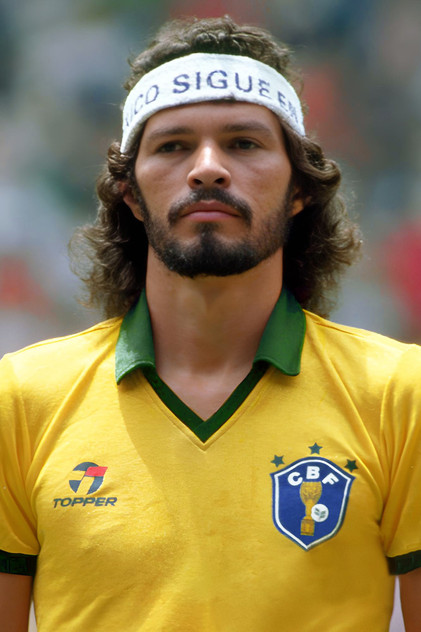
Personal Info
Known For
Acting
Birthday
1954-02-19
Deathday
2011-12-04
Place of Birth
Belém, Pará, Brazil
Sócrates
Biography
Sócrates Brasileiro Sampaio de Souza Vieira de Oliveira, better known as "Sócrates" and nicknamed "The Doctor," was born on February 19, 1954, in Belém, Brazil, and died on December 4, 2011, in São Paulo. An elegant, tall, and highly technical midfielder, he left his mark on Brazilian football history as much for his skill as for his intelligence and charisma. In his childhood, he grew up in a family that provided him with a good education, which also explains his atypical path from footballer to doctor. In addition to his footballing prowess, the towering Sócrates (1.93m) successfully pursued his medical studies in São Paulo, later practicing as a sports medicine specialist. Despite his reputation for laziness, his talent was undeniable, and he began his career at Botafogo, where he became the league's top scorer. He was then ready to join a major club in São Paulo, before establishing himself primarily at Corinthians between 1978 and 1984, where he became an idol. He also played in Italy for Fiorentina, then in Brazil with Flamengo, Santos, and again Botafogo-SP, before a more symbolic end to his career in England with Garforth Town. With Brazil, he earned 60 caps and scored 22 goals, and participated in the 1982 and 1986 World Cups. His achievements include three São Paulo state championships with Corinthians in 1979, 1982, and 1983, as well as reaching the Copa América final in 1983 with the Seleção. His image remains linked to the "Corinthian Democracy," an internal movement within the club where players collectively voted on decisions, a powerful symbol of protest during the Brazilian military dictatorship. Politically, Sócrates was a staunch advocate for democracy, displaying his convictions on the field and supporting the right to vote. He became an intellectual and activist figure with a romantic vision of football, respected far beyond the sport. In Brazil, during the revolution, the government was forced to yield, and for the first time since 1964, elections were held in São Paulo in 1982. Corinthians added the word "democracy" and red stains representing the blood of opponents to their jerseys. They even went so far as to add the phrase "go vote." The dictatorship finally fell in 1985 after the three Corinthians participated in the demonstrations, with Sócrates promising to stay and play in the country if direct suffrage was implemented. The dictatorship fell, but indirect suffrage was reinstated. Sócrates then left for Italy, Casagrande was injured, and a new president reimposed a more traditional structure on Corinthians. This marked the end of Corinthians' golden age. At the end of his career, Dr. Sócrates succumbed to alcoholism but made a wish: "I wish to die on a Sunday when Corinthians are champions." He died on Sunday, December 4, 2011, and that very evening, Corinthians became champions after a draw in the São Paulo derby. The players celebrated the title in the same way Sócrates had celebrated his goals, with his right fist raised.
Known For
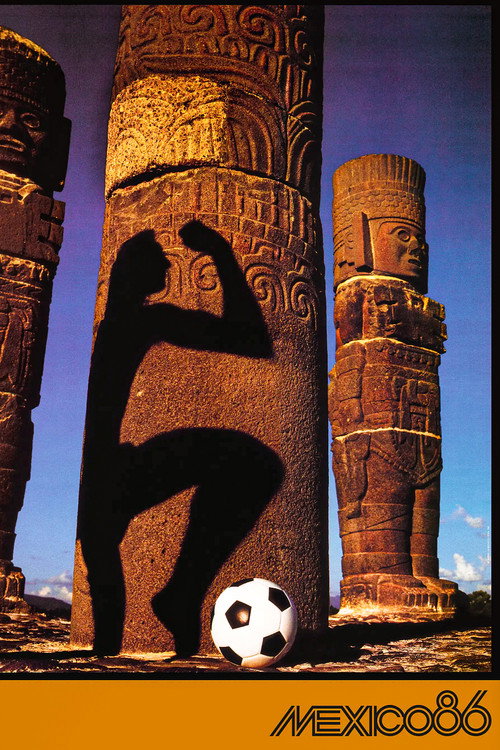
Hero
as Self
The Trapalhões
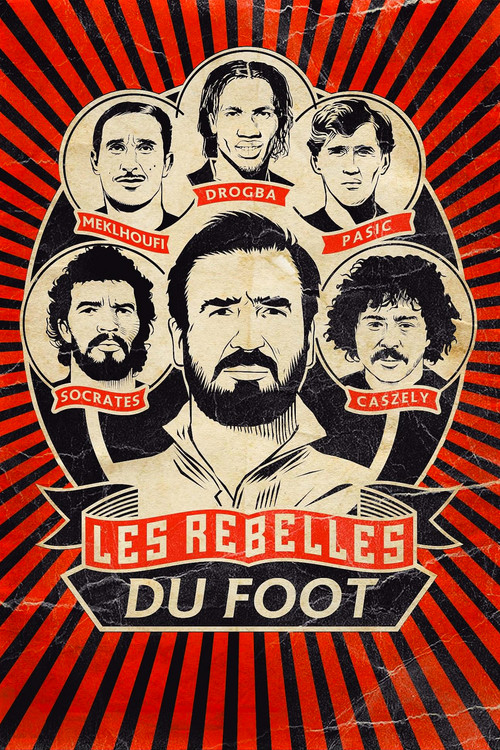
Football Rebels
as Self
Todo Poderoso: O Filme - 100 Anos de Timão
as Self
Feijão Maravilha
as Self
23 Anos em 7 Segundos
as Himself
Boleiros 2 - Vencedores e Vencidos
as Ele Mesmo

Democracia em Preto e Branco
as Himself
Eusébio: Story of a Legend
as Self

Um Craque Chamado Divino
as himself